
Scientific Guide to Improving Gut Health with Diet and Supplements

Gut health has become one of the most talked-about areas in health and wellness. Patients hear about the microbiome, probiotics, prebiotics, fiber, fermented foods, leaky gut, parasites, food sensitivity testing, and gut detox protocols almost every day. Some of this information is useful, but a lot of it is oversimplified, exaggerated, or marketed in a way that makes patients feel like every symptom must come from a hidden gut problem.
The truth is more practical and more scientific. The gut is not just a tube that digests food. It is a coordinated system involving the stomach, small intestine, colon, gut microbiome, immune system, nervous system, pelvic floor, liver, pancreas, gallbladder, and brain. When this system is working well, digestion feels predictable, bowel movements are comfortable, nutrients are absorbed efficiently, inflammation is regulated, and the microbiome is supported by the foods we eat.
This guide is designed to help patients understand gut health in a more evidence-based way. We will cover how digestion works, what normal bowel movements look like, how the microbiome interacts with diet, how fiber supports metabolic and digestive health, when supplements are useful, and which common gut diseases require more targeted treatment. We will also address common internet-driven concerns such as "leaky gut," parasites, food sensitivity testing, and probiotic claims.
The goal is not to chase every new gut health trend. The goal is to build a simple, sustainable foundation: adequate fiber, enough water, a diverse diet, appropriate use of supplements, regular bowel habits, and medical evaluation when symptoms suggest something more serious. For most patients, gut health improves when the basics are done consistently and the right treatment is matched to the actual problem.
Here are a list of topics covered in this guide:
- Physiology Of Digestion
- Gut Health Myths
- Practical Daily Gut Health Routine
- Bowel Movements or "Pooping"
- Microbiome And Gut Health
- Gut-Brain-Axis
- Water-and-Hydration
- Exercise And Gut Motility
- Sleep, Circadian Rhythm, And Digestion
- Why Fiber is So Important
- How Much Fiber Do Most People Need?
- The Main Types of Fiber
- Probiotics
- Prebiotics
- Fermented Foods
- How To Get More Fiber from Food
- Fiber Supplements
- Fiber Supplement Plan
- Diseases And Conditions Where Fiber Can Help
- Medications That Commonly Affect The Gut
- GLP-1 Medications And Gut Health
- Common Gut Diseases and Their Treatments
- Neurogenic Gut and How Back Problems Can Affect Bowel Function
- Food Allergy Testing
- Warning Signs That Need Medical Evaluation
- Summary
- References
Physiology Of Digestion
Digestion begins before food reaches the stomach. The sight, smell, taste, and chewing of food activate the nervous system and stimulate saliva, stomach acid, pancreatic enzymes, bile flow, and gut motility. In the mouth, chewing mechanically breaks food into smaller particles, while saliva begins the chemical digestion of carbohydrates and helps lubricate food for swallowing. This early phase matters because eating quickly, chewing poorly, or eating under stress can change how food moves through the digestive tract.
In the stomach, food is mixed with acid and digestive enzymes to form a semi-liquid material called chyme. Stomach acid helps unfold proteins, activate digestive enzymes, and defend against many ingested microbes. The stomach also controls the rate at which food enters the small intestine. Meals that contain more protein, fat, and fiber tend to empty more slowly, which can improve fullness and reduce rapid glucose spikes after meals. This is one reason high-fiber meals often feel more satisfying than refined, low-fiber meals.
Most nutrient absorption occurs in the small intestine. The pancreas releases enzymes that break down carbohydrates, proteins, and fats, while the liver and gallbladder provide bile to help emulsify and absorb fat.
The lining of the small intestine is highly folded and specialized for absorption of amino acids, fatty acids, glucose, vitamins, minerals, and other nutrients. Hormones released from the gut, including GLP-1, GIP, CCK, and PYY, help coordinate digestion, insulin release, appetite, gallbladder contraction, and communication between the gut and brain.
What remains then moves into the colon, where water and electrolytes are absorbed and the gut microbiome becomes especially important. Human enzymes cannot fully digest many fibers and resistant starches, but colonic microbes can ferment them into short-chain fatty acids such as butyrate, acetate, and propionate. These compounds help support the colon lining, immune regulation, gut barrier function, and metabolic signaling. The colon also determines stool form, so fiber type, hydration, motility, pelvic floor function, and microbiome activity all influence whether stools are normal, loose, or constipated.
Gut Health Myths
Gut health has become heavily marketed, and several common claims deserve caution. Most patients do not need parasite cleanses, colon cleanses, extreme elimination diets, or broad food sensitivity panels. Seeing mucus, strings, or unusual material in the stool after a cleanse does not reliably diagnose parasites. Feeling bloated after certain foods does not automatically mean a person has leaky gut, yeast overgrowth, or an allergy.
There are real medical conditions that affect the gut barrier, microbiome, digestion, and immune system. But those conditions should be evaluated with appropriate clinical reasoning and testing, not guessed from social media checklists. For many patients, the more likely explanation is IBS, FODMAP sensitivity, constipation, reflux, medication effects, sleep disruption, stress physiology, pelvic floor dysfunction, or a specific disease such as celiac disease or inflammatory bowel disease.
The most effective gut health plan is usually not the most extreme plan. It is the one that improves fiber intake, hydration, meal timing, food diversity, bowel mechanics, sleep, movement, and targeted treatment while avoiding unnecessary restriction and unnecessary supplements.
Practical Daily Gut Health Routine
A simple daily gut health routine can be more useful than a complicated supplement plan. Start the day with water, eat a protein- and fiber-containing breakfast, and give yourself enough time for an unhurried bathroom routine. If you use a fiber supplement, take it consistently with a full glass of water and increase slowly.
During the day, aim to include a fiber source at each meal. Examples include oats, berries, chia, flax, beans, lentils, vegetables, whole grains, nuts, seeds, or cooled starches such as potatoes or rice. A short walk after meals can support glucose control and gut motility. Fermented foods such as yogurt, kefir, kimchi, sauerkraut, miso, natto, or tempeh can be added several times per week if tolerated.
At night, avoid very large meals close to bedtime, especially if reflux is a problem. Protect sleep, avoid prolonged toilet sitting, and do not ignore persistent warning signs. For most patients, the goal is not perfection. The goal is a consistent routine that makes digestion predictable, bowel movements comfortable, and symptoms easier to understand.
Bowel Movements or "Pooping"
Normal bowel function varies more than most people realize. A healthy pattern can range from three bowel movements per day to three bowel movements per week, as long as stools are easy to pass, the pattern is stable, and there is no significant pain, bleeding, urgency, or incomplete evacuation. The goal is not to force a daily bowel movement. The goal is a predictable, comfortable pattern with a sense of complete emptying.
Stool form is often more useful than frequency alone. The Bristol Stool Form Scale is a simple way to describe stool consistency. Type 1 stools are separate hard pellets, and Type 2 stools are lumpy and hard, which usually suggests constipation or slow transit. Type 3 and Type 4 stools are generally the goal: formed, soft, and easy to pass. Type 5 stools are soft blobs that may be normal for some people but can also suggest faster transit. Type 6 and Type 7 stools are mushy or watery and suggest diarrhea, rapid transit, irritation, infection, medication effects, or poor absorption.
Bristol Stool Scale
| Type | Potential Cause | Appearance | Example Image |
|---|---|---|---|
| Type 1 | Constipation | Separate hard lumps, like nuts or pellets, hard to pass | 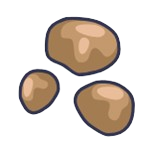 |
| Type 2 | Constipation | Sausage-shaped but lumpy |  |
| Type 3 | Generally normal but may indicate mild constipation | Sausage-shaped with cracks on the surface |  |
| Type 4 | Normal | Smooth, soft, sausage-shaped or snake-like |  |
| Type 5 | Low fiber intake or mild diarrhea tendency | Soft blobs with clear-cut edges, easy to pass |  |
| Type 6 | Diarrhea or rapid intestinal transit | Fluffy pieces with ragged edges, mushy stool |  |
| Type 7 | Diarrhea | Watery stool with no solid pieces |  |
Time on the toilet matters. Most bowel movements should happen within a few minutes. Patients should avoid sitting on the toilet for long periods, scrolling on a phone, reading, or repeatedly straining. A practical target is to sit for 5 minutes or less and usually no more than 10 minutes. If nothing happens, it is better to get up and try again later when the urge returns. Prolonged sitting and straining can worsen hemorrhoids, pelvic floor dysfunction, rectal pressure, back pain, and incomplete evacuation.
Position can also help. The rectum empties more easily when the knees are slightly higher than the hips, which can be done with a small footstool such as the Squatty Potty. Patients should relax the abdomen, breathe slowly, and avoid breath-holding or pushing hard. A bowel movement should feel more like allowing the stool to pass than forcing it out. Excessive straining, repeated incomplete emptying, or the need to use fingers, pressure, or unusual positions to pass stool may suggest pelvic floor dysfunction or outlet constipation.
The best time to try is often after breakfast or another meal because eating activates the gastrocolic reflex, which increases colon movement. Patients should not ignore a strong urge to go, because repeatedly suppressing the urge can contribute to harder stools and reduced rectal sensitivity over time. Regular meals, adequate fiber, water intake, walking, and a consistent morning routine can all support more predictable bowel function.
Patients should seek medical evaluation if they have blood in the stool, black or tarry stool, unexplained weight loss, persistent diarrhea, persistent constipation, new bowel changes after age 45 to 50, severe abdominal pain, anemia, fever, nighttime diarrhea, pencil-thin stools that persist, or a major change from their usual pattern. These symptoms do not automatically mean something serious is present, but they should not be ignored.
Microbiome And Gut Health
The gut microbiome is the community of bacteria, fungi, viruses, and other microorganisms that live throughout the digestive tract. These microbes are not just passive passengers. They interact directly with the food we eat, help break down fibers and resistant starches that human enzymes cannot digest, and produce compounds that influence digestion, metabolism, immune function, inflammation, and even signaling between the gut and brain.
One of the most important ways diet shapes health is by determining what the microbiome has available to metabolize. Diets rich in plants, fiber, resistant starch, polyphenols, and fermented foods tend to support a more diverse and metabolically active gut ecosystem. When gut microbes ferment fiber, they produce short-chain fatty acids such as butyrate, acetate, and propionate. These compounds help support the intestinal barrier, regulate immune signaling, improve stool quality, and may influence insulin sensitivity, appetite, and inflammation.
In contrast, a diet low in fiber and high in ultra-processed foods can shift the gut environment in a less favorable direction. Without enough fermentable substrate, beneficial microbes may become less active, short-chain fatty acid production may decline, and the gut barrier and immune system may be more prone to dysfunction. This is why fiber, prebiotics, probiotics, and fermented foods are best understood as part of a connected system. The goal is not just to add a supplement, but to create a diet that consistently feeds and supports a healthier gut microbiome.
Gut-Brain Axis
The gut and brain communicate continuously through the nervous system, immune system, hormones, and microbial metabolites. This is why stress, anxiety, sleep disruption, pain, and autonomic nervous system activation can change bowel habits, reflux, nausea, bloating, appetite, and abdominal pain. It is also why chronic gut symptoms can feed back into mood, energy, sleep, and quality of life.
This connection does not mean symptoms are "all in the head." It means the gut is controlled by a real biologic network that includes the brain, spinal cord, vagus nerve, enteric nervous system, pelvic floor, immune system, and microbiome. Patients with irritable bowel syndrome, pelvic pain, reflux, constipation, diarrhea, or post-infectious gut symptoms often have some degree of altered gut-brain signaling.
Treatment works best when this system is addressed from multiple angles. Fiber, hydration, meal timing, movement, sleep, stress regulation, pelvic floor therapy, and targeted medications can all help normalize gut signaling. For some patients, gut-directed behavioral therapy, breathing work, or treatment of anxiety, depression, trauma, or chronic pain physiology can be an important part of digestive recovery.
Water and Hydration
Water is critically important for gut health. This is especially important for bulk-forming and gel-forming fibers such as psyllium, methylcellulose, and calcium polycarbophil, which absorb water and help improve stool form. Without enough fluid, increasing fiber can sometimes worsen constipation, bloating, or abdominal discomfort. A reasonable general target is about 90 oz per day of total water intake for adult women and about 120 oz per day for adult men, including water from beverages and food. Patients who sweat heavily, exercise frequently, spend time in hot environments, or eat a higher-protein or higher-fiber diet may need more. Patients with heart failure, kidney disease, liver disease, or fluid restrictions should consult a provider for specific fluid recommendations.
The simplest strategy is to make water automatic rather than relying on thirst alone. Patients can start the day with a full glass of water, drink water with each meal, and take fiber supplements with a full 8-12 oz glass of water. Keeping a water bottle nearby, using measured bottles, adding lemon or electrolyte powder when appropriate, and setting reminders can help patients reach their target more consistently. For patients who dislike plain water, unsweetened tea, sparkling water, diluted electrolyte drinks, and water-rich foods such as fruit, vegetables, soups, and yogurt can also contribute to total intake.
Exercise And Gut Motility
Movement is one of the simplest ways to support gut function. Walking, aerobic exercise, and resistance training can improve gut motility, support insulin sensitivity, reduce inflammation, and improve the nervous system signals that coordinate digestion. Even light walking after meals can help glucose control and may support more predictable bowel function.
A sedentary lifestyle can contribute to constipation, bloating, reflux, and metabolic dysfunction. Exercise also supports the microbiome indirectly by improving body composition, blood sugar control, sleep quality, and inflammatory tone. For many patients, a realistic goal is to walk after meals, limit long periods of sitting, and build toward a combination of aerobic and resistance training during the week.
Patients with pelvic floor dysfunction, severe constipation, back pain, or neurologic symptoms may need a more specific plan. In these cases, exercise should be paired with bowel scheduling, hydration, fiber tolerance, breathing mechanics, and pelvic floor or spine-directed therapy when appropriate.
Sleep, Circadian Rhythm, And Digestion
Digestion follows a daily rhythm. Meal timing, sleep timing, light exposure, and the circadian system all influence gut motility, gastric emptying, glucose control, reflux risk, appetite hormones, and microbiome activity. Eating very late at night, sleeping poorly, or having an irregular schedule can make reflux, bloating, blood sugar swings, and irregular bowel habits more likely.
Patients often do better when meals are more consistent, the largest meals are not pushed close to bedtime, and sleep is protected. For reflux-prone patients, avoiding large meals within two to three hours of lying down can be especially helpful. For constipation-prone patients, a consistent breakfast and morning routine may help activate the gastrocolic reflex and improve predictability.
Shift work, travel, sleep apnea, insomnia, and chronic stress can all disrupt digestive patterns. In these cases, gut health may improve only when sleep and circadian rhythm are addressed alongside diet, fiber, hydration, and medical treatment.
Why Fiber is So Important
Dietary fiber is one of the most important and underused tools in nutrition. Most people think of fiber only as something that helps with bowel movements, but fiber does much more than that. It affects the gut microbiome, stool quality, cholesterol metabolism, glucose control, appetite, inflammation, body weight regulation, and long-term cardiometabolic risk.
Fiber is found in plant foods. It is made of carbohydrates and related compounds that human digestive enzymes cannot fully break down. Because fiber is not digested like sugar or starch, it changes how food moves through the gut, how nutrients are absorbed, and how gut bacteria produce metabolites that affect the rest of the body.
Higher fiber intake is associated with lower risk of cardiovascular disease, type 2 diabetes, obesity, and several gastrointestinal disorders. Fiber can also be used therapeutically for constipation, diarrhea, irritable bowel syndrome, high LDL cholesterol, impaired glucose control, and weight management. It is not a replacement for medical treatment when disease is present, but it is often one of the highest value interventions patients can make.
How Much Fiber Do Most People Need?
A common target is about 14 grams of fiber for every 1,000 calories consumed. For many adults, this works out to about 25 grams per day for women and about 38 grams per day for men. Many people consume far less than this, often because modern diets are high in refined grains, low in legumes, low in vegetables, and low in whole fruit.
For patients who are currently eating very little fiber, jumping immediately to 30 or 40 grams per day can cause bloating, gas, abdominal discomfort, or loose stools. The better strategy is to increase gradually. Adding 5 grams per day every week or two is often more tolerable than making a large change all at once.
Adequate water intake matters. Fiber works best when the patient is hydrated, especially when using bulk-forming supplements such as psyllium. Increasing fiber without enough fluid can worsen constipation in some people.
The Main Types of Fiber
Fiber is often divided into soluble and insoluble fiber, but that is only part of the story. The clinical effects of fiber also depend on whether it is viscous, fermentable, gel-forming, or resistant to fermentation.
This is a summary of most available types of fiber, and you can click below to learn more.
| Type Of Fiber | What It Does | Common Food Sources | Common Supplement Sources | Best Clinical Uses | Notes And Cautions |
|---|---|---|---|---|---|
| Soluble Fiber | Dissolves in water and can help normalize stool consistency, slow glucose absorption, and support cholesterol reduction. | Oats, barley, beans, lentils, apples, citrus, carrots, chia, flax. | Psyllium, beta-glucan, pectin, guar gum, partially hydrolyzed guar gum, acacia fiber, wheat dextrin. | Constipation, loose stools, LDL cholesterol reduction, blood sugar control, appetite support. | Often better tolerated than coarse insoluble fiber in patients with IBS or bloating. |
| Insoluble Fiber | Adds stool bulk and helps move stool through the colon. | Wheat bran, whole grains, nuts, seeds, vegetable skins, leafy greens, raw vegetables. | Wheat bran, cellulose. | Constipation, bowel regularity, low stool volume. | Can worsen bloating, cramping, or discomfort in some patients with IBS, pelvic floor dysfunction, or severe constipation. |
| Viscous / Gel-Forming Fiber | Forms a gel in the gut, slowing nutrient absorption and improving stool form. | Oats, barley, legumes, chia seeds, flaxseed. | Psyllium, beta-glucan, guar gum. | LDL cholesterol reduction, glucose control, loose stools, constipation, satiety. | Psyllium is one of the best supported options because it is soluble, viscous, and gel-forming. |
| Fermentable Fiber | Feeds gut bacteria and increases short-chain fatty acid production. | Beans, lentils, onions, garlic, asparagus, bananas, oats, barley, many fruits and vegetables. | Inulin, fructooligosaccharides, galactooligosaccharides, resistant starch, acacia fiber, partially hydrolyzed guar gum. | Gut microbiome support, metabolic health, colon health, immune signaling. | More likely to cause gas and bloating, especially when started quickly or used at high doses. |
| Prebiotic Fiber | A fermentable fiber that selectively supports beneficial gut bacteria. | Chicory root, Jerusalem artichoke, onions, garlic, leeks, asparagus, bananas, legumes. | Inulin, fructooligosaccharides, galactooligosaccharides, partially hydrolyzed guar gum. | Microbiome support, constipation, metabolic health, possible immune benefits. | Patients with IBS or FODMAP sensitivity may tolerate these poorly. |
| Resistant Starch | Starch that resists digestion in the small intestine and is fermented in the colon. | Cooked and cooled potatoes, cooked and cooled rice, green bananas, oats, beans, lentils. | Potato starch, high-amylose maize resistant starch. | Microbiome support, short-chain fatty acid production, insulin sensitivity. | Start slowly because fermentation can cause gas and bloating. |
| Low-Fermentable Fiber | Provides stool support with less gas production. | Some vegetables, grains, and fiber products depending on formulation. | Methylcellulose, some wheat dextrin products. | Constipation in patients prone to bloating or gas. | Often useful when inulin or other prebiotic fibers are not tolerated. |
| Psyllium | Soluble, viscous, gel-forming fiber with strong clinical utility. | Psyllium husk is the natural source. | Psyllium powder, capsules, wafers. | Constipation, diarrhea, IBS, LDL cholesterol, glucose control, satiety. | Must be taken with adequate water. Separate from medications by about 2 hours when possible. |
| Beta-Glucan | Soluble viscous fiber especially useful for cholesterol and metabolic health. | Oats, barley. | Oat beta-glucan supplements. | LDL cholesterol reduction, cardiometabolic health, glucose control. | Can often be obtained through regular intake of oats or barley. |
| Partially Hydrolyzed Guar Gum | Soluble fiber that is often well tolerated and dissolves easily. | Derived from guar bean. | Partially hydrolyzed guar gum powder. | IBS, constipation, stool consistency, microbiome support. | Often easier to tolerate than highly fermentable fibers like inulin. |
| Inulin / Fructooligosaccharides | Highly fermentable prebiotic fibers. | Chicory root, onions, garlic, leeks, asparagus. | Inulin powder, FOS supplements. | Microbiome support, constipation, prebiotic effect. | Commonly causes gas and bloating. Use cautiously in IBS or FODMAP sensitivity. |
| Wheat Bran | Coarse insoluble fiber that increases stool bulk. | Wheat bran, bran cereals, whole wheat products. | Wheat bran supplements. | Constipation with low stool bulk. | Can worsen bloating or abdominal discomfort in sensitive patients. |
| Methylcellulose | Non-fermentable or minimally fermentable bulk-forming fiber. | Modified cellulose, not usually obtained meaningfully from whole foods. | Methylcellulose powder or capsules. | Constipation, fiber-sensitive IBS patients. | Less gas than many fermentable fibers, but less metabolic benefit than viscous fermentable fibers. |
| Acacia Fiber | Soluble, fermentable fiber that is usually gentle. | Acacia tree gum. | Acacia fiber powder. | Microbiome support, stool regularity, gradual fiber increase. | Usually well tolerated, but still should be started gradually. |
| Pectin | Soluble fiber found in fruit. | Apples, citrus peel, berries. | Pectin supplements. | Stool consistency, cholesterol support, microbiome support. | Less commonly used as a primary supplement than psyllium. |
Soluble Fiber
Soluble fiber dissolves in water and can form a gel-like material in the gut. This slows gastric emptying, slows glucose absorption, and can bind bile acids, which helps lower LDL cholesterol. Soluble fiber is especially useful for metabolic health, cholesterol reduction, blood sugar control, and stool normalization.
Natural sources include oats, barley, beans, lentils, peas, apples, citrus fruits, carrots, chia seeds, flaxseed, and psyllium husk.
Supplemental sources include psyllium, beta-glucan, pectin, guar gum, partially hydrolyzed guar gum, acacia fiber, and some forms of wheat dextrin.
Insoluble Fiber
Insoluble fiber does not dissolve well in water and tends to add bulk to stool. It helps increase stool volume and can speed movement through the colon. This type of fiber is especially important for constipation and bowel regularity.
Natural sources include wheat bran, whole grains, nuts, seeds, vegetable skins, leafy greens, and many raw vegetables.
Supplemental sources include wheat bran and cellulose-based fiber products. Insoluble fiber can be useful, but some patients with irritable bowel syndrome, bloating, or pelvic floor dysfunction may tolerate soluble fiber better.
Viscous Or Gel-Forming Fiber
Viscous fibers form a thick gel in the gut. This property is important because gel-forming fibers tend to have stronger effects on cholesterol, blood sugar, appetite, and stool consistency. Psyllium is the best known example. Beta-glucan from oats and barley is another important viscous fiber.
This is why not all fiber supplements behave the same way. A supplement that simply adds fiber grams on a label may not produce the same clinical effect as a gel-forming fiber.
Fermentable Fiber And Prebiotics
Fermentable fibers are metabolized by gut bacteria. This produces short-chain fatty acids such as acetate, propionate, and butyrate. These compounds help support colon cell metabolism, gut barrier function, immune signaling, and metabolic health.
Prebiotic fibers selectively support beneficial bacteria in the gut. Examples include inulin, fructooligosaccharides, galactooligosaccharides, resistant starch, and partially hydrolyzed guar gum.
Fermentable fibers can be very useful, but they are also more likely to cause gas and bloating, especially when started quickly or used in high doses. Patients with IBS may need to introduce these slowly.
Resistant Starch
Resistant starch behaves like fiber because it resists digestion in the small intestine and is fermented in the colon. It can support short-chain fatty acid production and may help with insulin sensitivity and gut health.
Natural sources include cooled cooked potatoes, cooled rice, green bananas, beans, lentils, oats, and some whole grains. Cooking and then cooling starches increases resistant starch formation. Supplemental resistant starch is also available, often from potato starch or high-amylose maize.
Probiotics
Probiotics are live microorganisms that may provide a health benefit when consumed in adequate amounts. They are often discussed as capsules, but probiotics can also come from foods that naturally contain live cultures. The goal is not simply to take more bacteria. The goal is to support a healthier gut ecosystem that may improve digestion, immune signaling, stool quality, and tolerance of different foods.
For most patients, probiotic capsules are not the first place to start. Many commercial probiotic capsules contain freeze-dried organisms, and their effects depend heavily on the strain, dose, storage conditions, and the patient’s underlying gut environment. Some patients benefit from them, but results are variable. A more practical first step is often to combine a high-fiber diet with foods that contain live cultures.
Prebiotics
Prebiotics are fibers and related compounds that feed beneficial bacteria already living in the gut. In simple terms, probiotics add live organisms, while prebiotics provide the food source that helps certain microbes grow and produce useful metabolites. These metabolites include short-chain fatty acids such as butyrate, acetate, and propionate, which help support colon health, gut barrier function, immune regulation, and metabolic health.
Common prebiotic sources include beans, lentils, oats, barley, onions, garlic, leeks, asparagus, slightly green bananas, cooked and cooled potatoes or rice, chia seeds, flaxseed, and resistant starch. Supplemental options include partially hydrolyzed guar gum, inulin, fructooligosaccharides, galactooligosaccharides, acacia fiber, and resistant starch. Patients with IBS, bloating, or FODMAP sensitivity should increase prebiotics slowly, because highly fermentable fibers can cause gas, bloating, or cramping when introduced too quickly.
Fermented Foods
Fermented foods are foods produced through microbial fermentation. Some contain live organisms, while others may no longer contain active cultures if they have been pasteurized or heat-treated. Good natural sources include plain yogurt with live and active cultures, kefir, fermented cottage cheese, kimchi, raw sauerkraut, fermented vegetables, miso, natto, and tempeh. Refrigerated products labeled as raw, unpasteurized, or containing live cultures are more likely to contain meaningful live organisms than shelf-stable products.
A practical starting point is one small serving several days per week, such as 1/2 cup of plain yogurt or kefir, a few tablespoons of kimchi or sauerkraut, or a serving of tempeh or miso-based food. These foods work best when paired with fiber-rich and prebiotic foods, because the live organisms and the fiber-supported gut environment complement each other. Patients who are prone to bloating, reflux, histamine-type symptoms, or IBS flares may need to start with very small amounts or avoid certain fermented foods that trigger symptoms.
How To Get More Fiber from Food
The best way to increase fiber is to build meals around fiber-containing foods rather than trying to add fiber at the end.
Good natural sources include:
- Beans, lentils, chickpeas, split peas
- Oats, barley, quinoa, brown rice, whole grain breads
- Vegetables, especially leafy greens, broccoli, Brussels sprouts, carrots, peppers, squash
- Fruit, especially berries, apples, pears, citrus, bananas
- Nuts and seeds, especially chia, flax, almonds, pistachios
- Potatoes, sweet potatoes, and rice that have been cooked and cooled
- Avocado
- Psyllium-containing foods or added psyllium like high fiber cereals and gluten free breads, which often include psyllium to improve texture and density
A simple goal is to include a fiber source at every meal. For breakfast, that might be oatmeal with chia and berries. For lunch, it might be a salad with beans or lentils. For dinner, it might be vegetables plus a whole grain or legumes. For snacks, fruit, nuts, or high-fiber yogurt bowls can work well.
The most common mistake is increasing fiber too quickly. A better approach is to start low and build gradually.
A practical plan for increasing fiber through diet
Week 1: Add one fiber-rich food per day or start a small supplement dose.
Week 2: Increase by another 3 to 5 grams per day if tolerated.
Week 3 and beyond: Continue increasing toward 25 to 40 grams per day depending on body size, calorie intake, and goals.
Patients should drink enough water, especially when using psyllium or other bulk-forming fibers. Fiber supplements should usually be separated from medications by at least two hours unless a clinician says otherwise, because some fibers can affect medication absorption. Patients on GLP-1 medications often benefit from fiber supplementation, but may need a slower progression for increasing fiber intake.
Fiber Supplements
Fiber supplements are useful when patients cannot reach fiber targets through food alone, need a specific therapeutic effect, or need a predictable dose. They are especially helpful for constipation, loose stools, cholesterol reduction, and glucose control.
Psyllium
Psyllium is one of the most useful and best-supported fiber supplements. It is soluble, viscous, and gel-forming. It can improve constipation, loose stools, LDL cholesterol, glycemic control, and satiety. It is often the best first choice when a patient wants a general-purpose therapeutic fiber.
A common starting dose is 1 teaspoon daily in water, then gradually increasing as tolerated. Many patients eventually use 1 to 2 tablespoons per day, divided into one or two doses. It should be taken with plenty of water.
Partially Hydrolyzed Guar Gum
Partially hydrolyzed guar gum is a soluble fiber that is often better tolerated than more fermentable prebiotic fibers. It may be useful for IBS, bowel regularity, and stool consistency. It dissolves easily and usually has less texture than psyllium.
This can be a good option for patients who cannot tolerate psyllium or who have IBS with bloating.
Inulin And Fructooligosaccharides
Inulin and fructooligosaccharides are prebiotic fibers that feed beneficial gut bacteria. They can support microbiome health, but they are also more likely to cause gas and bloating. Patients with IBS, small intestinal bacterial overgrowth, or strong FODMAP sensitivity may not tolerate them well.
These are best started at very low doses.
Beta-Glucan
Beta-glucan is found naturally in oats and barley and is also available as a supplement. It is useful for LDL cholesterol reduction and metabolic health. Patients can often get meaningful amounts by eating oats, oat bran, or barley regularly.
Wheat Dextrin
Wheat dextrin is a soluble fiber that dissolves easily and is usually well tolerated. It is less gel-forming than psyllium, so it may not have the same strength of effect on LDL cholesterol or stool form, but it can help increase total fiber intake.
Methylcellulose
Methylcellulose is a non-fermentable fiber supplement. Because it is less fermentable, it may cause less gas than inulin or some other prebiotic fibers. It can be useful for constipation and for patients who are sensitive to bloating.
Resistant Starch
Resistant starch can support the microbiome and short-chain fatty acid production. It may be useful for metabolic and gut health, but tolerance varies. It should be started slowly because fermentation can cause gas or bloating.
Fiber Supplement Plan
This is our recommended guide we share with many of our patients. Most individuals benefit from more fiber, but not everyone should increase aggressively. Patients with bowel obstruction, severe swallowing difficulty, strictures, active severe inflammatory bowel disease flares, recent bowel surgery, severe gastroparesis, or unexplained abdominal pain should speak with a clinician before starting high-dose fiber.
Note that for fiber gummies, one serving may be two or three gummies. Check the product label for clarification. Additionally, we find most patients prefer capsules, but you can substitute powder mixed into water or another compatible beverage.
Patients with IBS, bloating, pelvic floor dysfunction, or constipation with incomplete evacuation should also be thoughtful. In these cases, the type of fiber matters. Psyllium, methylcellulose, or partially hydrolyzed guar gum may be better tolerated than wheat bran or inulin. You should check with your healthcare provider before starting these, or reach out to us for a consultation.
| Stack | Fiber Combination | Starting Dose | Maintenance Dose | Key Notes |
|---|---|---|---|---|
| Best Simple Stack for Most Patients | General fiber support, constipation tendency, loose stools, cholesterol, glucose control, appetite, microbiome support Psyllium capsules + Low-sugar fiber gummy | Psyllium capsules: 2 capsules once daily with a full glass of water Fiber gummy: 1 serving daily with food | Psyllium capsules: 2 capsules twice daily with water before or with a meal Fiber gummy: Continue 1 serving daily if tolerated | Most practical stack for adherence plus clinical benefit. Psyllium provides the strongest stool, cholesterol, glucose, and satiety effects. |
| Best Stack for Bloating-Prone Patients | IBS-type symptoms, gas sensitivity, bloating-prone constipation, patients who do poorly with inulin or prebiotic fibers Methylcellulose or calcium polycarbophil capsules/tablets + Low-sugar fiber gummy at reduced dose | Methylcellulose or calcium polycarbophil: 2 capsules/tablets once daily with a full glass of water Fiber gummy: 1/2 serving or 1 serving every other day | Methylcellulose or calcium polycarbophil: 2 capsules/tablets twice daily if needed Fiber gummy: 1 serving daily if tolerated | Less fermentable fibers may cause less gas than psyllium plus prebiotic gummies. Add gummies slowly. |
| Best Stack for Cholesterol, Glucose, and Appetite | LDL cholesterol reduction, prediabetes, type 2 diabetes, metabolic syndrome, appetite control, GLP-1 users needing bowel support Psyllium capsules + beta-glucan capsules + Low-sugar fiber gummy | Psyllium capsules: 2 capsules once daily with water before or with a meal Beta-glucan: 1/2 to 1 serving daily with water before a meal Fiber gummy: 1 serving daily with food | Psyllium capsules: 2 capsules twice daily with water before or with a meal Beta-glucan: 1 serving daily with water before a meal Fiber gummy: 1 serving daily with food | Psyllium and beta-glucan are the key viscous fibers for LDL cholesterol, glucose, and appetite support. |
Diseases And Conditions Where Fiber Can Help
Below is a list of common diseases where fiber can help.
Constipation
Fiber is one of the first-line nutritional strategies for constipation, but the type matters. Psyllium is often the best starting supplement because it is gel-forming, improves stool water content, and can normalize stool consistency. Insoluble fiber such as wheat bran can also help some patients by increasing stool bulk, but it can worsen bloating or discomfort in others.
For constipation, fiber works best when paired with adequate hydration, regular movement, and appropriate bowel habits. In patients with pelvic floor dysfunction, outlet constipation, or severe slow-transit constipation, fiber alone may not solve the problem and can sometimes worsen bloating.
Diarrhea And Loose Stools
Fiber can also help diarrhea, which surprises many patients. Soluble gel-forming fibers such as psyllium can absorb excess water and improve stool form. This can be useful for loose stools, bile acid-related diarrhea, and some forms of IBS.
In patients with diarrhea, the goal is usually not to use high amounts of coarse insoluble fiber. The better first choice is often soluble fiber, started slowly.
Irritable Bowel Syndrome
Fiber can help IBS, but tolerance varies. Psyllium has better evidence and is usually better tolerated than wheat bran. Highly fermentable fibers such as inulin can worsen gas, bloating, and discomfort in some patients, especially those with IBS or sensitivity to FODMAPs.
For IBS, the best strategy is usually to start with a low dose of psyllium or partially hydrolyzed guar gum and increase gradually. If bloating worsens, the dose may need to be reduced or the fiber type changed.
High Cholesterol
Soluble viscous fibers can lower LDL cholesterol. Psyllium and beta-glucan are the most useful choices here. They work partly by binding bile acids in the intestine, which increases bile acid excretion and causes the liver to use cholesterol to make more bile acids.
This effect is modest compared with statin therapy, but it is clinically meaningful and pairs well with other lipid-lowering strategies. For patients with mildly elevated LDL cholesterol, metabolic syndrome, or a desire to reduce cardiovascular risk, fiber is one of the most useful dietary interventions.
Type 2 Diabetes And Prediabetes
Fiber helps glucose control by slowing carbohydrate absorption, improving satiety, supporting the gut microbiome, and improving insulin sensitivity over time. Diets higher in fiber are associated with lower risk of type 2 diabetes, and fiber supplementation can improve glycemic measures in some patients.
For blood sugar control, the most useful fibers are often soluble and viscous fibers such as psyllium, beta-glucan, and some galactomannans. Whole food sources such as beans, lentils, oats, barley, vegetables, nuts, and seeds are especially helpful because they provide fiber along with protein, micronutrients, and slower-digesting carbohydrates.
Weight Management and Appetite
Fiber can help with weight management because it increases fullness, slows gastric emptying, reduces energy density of the diet, and improves blood sugar stability. High-fiber foods are usually more filling per calorie than refined foods.
Fiber is not a weight-loss drug, and the effect is not usually dramatic by itself. But it is highly useful as part of a larger strategy. A patient taking a GLP-1 receptor agonist, for example, may do better when dietary fiber intake is optimized because fiber supports bowel regularity, satiety, metabolic health, and food quality.
Cardiovascular Disease Risk
Higher fiber intake is associated with lower cardiovascular risk. This is likely due to combined effects on LDL cholesterol, blood pressure, glucose control, body weight, inflammation, and the gut microbiome. Fiber is one of the simplest dietary markers of a heart-healthy eating pattern.
The best cardiovascular fiber sources are whole plant foods, especially legumes, oats, barley, vegetables, fruit, nuts, and seeds. Supplements can help, but they should ideally fill gaps rather than replace a plant-rich diet.
Diverticular Disease And Colon Health
Higher fiber intake is generally associated with better colon health and lower risk of diverticular complications. Fiber improves stool bulk, reduces colonic pressure, and supports microbial production of short-chain fatty acids.
For patients with diverticular disease, the historical advice to avoid nuts, seeds, and popcorn is generally outdated for most people. The broader goal is a sustainable high-fiber dietary pattern, unless a specific food clearly triggers symptoms.
Medications That Commonly Affect The Gut
Many medications can change digestion, bowel movements, reflux, or the microbiome. Opioids commonly slow the bowel and can cause severe constipation. Anticholinergic medications, some antihistamines, some antidepressants, muscle relaxers, iron, calcium, and some bladder medications can also worsen constipation. Magnesium, metformin, antibiotics, and some supplements can loosen stools or cause diarrhea.
NSAIDs such as ibuprofen, naproxen, and aspirin can irritate the stomach and increase the risk of ulcers or bleeding. Proton pump inhibitors and H2 blockers can be very useful for reflux and ulcers, but long-term use should be reviewed periodically to make sure the dose and duration still match the indication. Antibiotics can be necessary and life-saving, but they can also disrupt the microbiome and sometimes trigger diarrhea.
Patients with new gut symptoms should review medication timing, dose changes, supplements, alcohol use, and recent antibiotic exposure. Sometimes the best treatment is not another supplement, but recognizing that a medication or combination of medications is contributing to the problem.
GLP-1 Medications And Gut Health
GLP-1 receptor agonists and related incretin medications, including semaglutide (Wegovy, Ozempic) and tirzepatide (Mounjaro, Zepbound), are highly effective tools for weight loss, diabetes, and metabolic health. They also directly affect digestion. These medications slow gastric emptying, reduce appetite, and change gut-brain signaling. For many patients this is helpful, but it can also cause nausea, constipation, reflux, bloating, early fullness, diarrhea, or abdominal discomfort.
Patients taking these medications usually do better when fiber is increased gradually rather than aggressively. A sudden jump in fiber intake while gastric emptying is slowed can worsen bloating or constipation. A practical strategy is to prioritize fluids, protein, smaller meals, slower eating, walking after meals, and a gentle fiber plan that starts low and increases as tolerated. Psyllium can be useful, but it should be taken with adequate water and slowly titrated.
Severe or persistent vomiting, inability to maintain hydration, severe abdominal pain, signs of gallbladder disease, severe constipation, or symptoms that feel very different from expected medication effects should be evaluated medically. The goal is not to push through significant symptoms. The goal is to adjust the diet, dose, timing, and supportive care so the medication can be used safely and effectively.
Common Gut Diseases and Their Treatments
Gut symptoms are common, but the same symptom can come from very different conditions. Bloating, constipation, diarrhea, reflux, abdominal pain, urgency, and incomplete emptying may reflect diet, motility, inflammation, infection, food intolerance, pelvic floor dysfunction, nerve signaling, medication effects, or structural disease. This is why treatment should be based on the likely diagnosis rather than symptoms alone. Fiber, hydration, probiotics, prebiotics, and fermented foods can be useful tools, but some gut diseases require targeted testing, prescription medication, endoscopy, imaging, or specialist care.
Celiac Disease
Celiac disease is an autoimmune disease triggered by gluten, a protein found in wheat, barley, and rye. In people with celiac disease, gluten exposure causes immune injury to the small intestine, which can impair nutrient absorption and lead to diarrhea, bloating, abdominal pain, weight loss, fatigue, iron deficiency, vitamin D deficiency, osteoporosis, infertility, neuropathy, or sometimes very subtle symptoms. Diagnosis usually involves blood testing for celiac antibodies, most commonly tissue transglutaminase IgA with a total IgA level, and may be confirmed with upper endoscopy and small intestinal biopsy. Patients should not start a gluten-free diet before testing if celiac disease is suspected, because removing gluten can make blood tests and biopsies falsely negative. Treatment is a strict lifelong gluten-free diet, correction of nutrient deficiencies, and follow-up monitoring.
Constipation
Constipation can mean infrequent bowel movements, hard stools, excessive straining, incomplete evacuation, bloating, or a sense of blockage. It can be caused by low fiber intake, inadequate fluid intake, low physical activity, medication side effects, slow colon transit, pelvic floor dysfunction, neurologic conditions, or metabolic problems such as hypothyroidism. Diagnosis is usually based on symptoms, stool pattern, medication review, diet history, and screening for warning signs. Some patients need blood work, colonoscopy, imaging, or anorectal testing if symptoms are severe, new, persistent, or suggest pelvic floor dysfunction. Treatment usually starts with gradual fiber optimization, water intake, regular meals, walking, bowel scheduling, and proper toilet posture. Psyllium is often a useful first fiber because it improves stool water content and stool form. If needed, treatments may include polyethylene glycol, magnesium, stimulant laxatives for short-term or rescue use, prescription constipation medications, or pelvic floor physical therapy and biofeedback when outlet dysfunction is present.
Diarrhea
Diarrhea refers to loose, watery, or frequent stools and can be acute or chronic. Acute diarrhea is often caused by infection, foodborne illness, or medication effects. Chronic diarrhea may be related to irritable bowel syndrome, inflammatory bowel disease, celiac disease, bile acid diarrhea, lactose intolerance, FODMAP sensitivity, pancreatic insufficiency, small intestinal bacterial overgrowth, medication side effects, or malabsorption. Diagnosis depends on the pattern and severity. Short-term mild diarrhea may not need extensive testing, but persistent diarrhea, nighttime diarrhea, blood in the stool, fever, dehydration, weight loss, anemia, or severe pain should be evaluated. Testing may include stool studies, blood work, celiac testing, inflammatory markers, colonoscopy, imaging, or breath testing in selected cases. Treatment depends on the cause and may include hydration, electrolytes, temporary diet modification, soluble fiber such as psyllium to improve stool form, loperamide in selected patients, bile acid binders, antibiotics when clearly indicated, or disease-specific treatment.
Diverticular Disease
Diverticular disease occurs when small pouches, called diverticula, form in the wall of the colon. Many people have diverticulosis without symptoms. Diverticulitis occurs when one or more diverticula become inflamed or infected, often causing left lower abdominal pain, fever, tenderness, nausea, constipation, diarrhea, or changes in bowel habits. Diagnosis may be suspected based on symptoms and exam, but CT imaging is commonly used when acute diverticulitis is suspected, especially for new, severe, or complicated cases. Long-term management focuses on diet quality, fiber intake, physical activity, weight management, and overall metabolic health. The older advice to universally avoid nuts, seeds, and popcorn is generally outdated for most patients. During acute diverticulitis, treatment may involve temporary diet changes, pain control, close monitoring, and antibiotics in selected patients. Complicated diverticulitis with abscess, perforation, obstruction, or severe infection may require drainage, hospitalization, or surgery.
Food Intolerances and FODMAP Sensitivity
FODMAPs (fermentable oligosaccharides, disaccharides, monosaccharides, and polyols) are fermentable carbohydrates that can be poorly absorbed in the small intestine and rapidly fermented by gut bacteria. The term stands for fermentable oligosaccharides, disaccharides, monosaccharides, and polyols. Common high-FODMAP foods include wheat, onions, garlic, beans, lentils, apples, pears, milk, ice cream, certain sweeteners, and some highly fermentable fiber supplements such as inulin and fructooligosaccharides.
FODMAP sensitivity does not mean these foods are unhealthy. Many high-FODMAP foods are highly nutritious and contain important fibers, prebiotics, polyphenols, and micronutrients. The issue is that in sensitive patients, these carbohydrates can pull water into the intestine and increase gas production when fermented. This can lead to bloating, abdominal pain, cramping, diarrhea, constipation, or a mixed bowel pattern. FODMAP sensitivity is especially common in patients with irritable bowel syndrome, but it can also overlap with pelvic pain, bladder symptoms, reflux, small intestinal bacterial overgrowth, and other gut-brain interaction disorders.
For patients with FODMAP sensitivity, the solution is not usually to avoid all fermentable foods forever. A low-FODMAP diet is best used as a structured short-term elimination and reintroduction process. The goal is to identify which specific FODMAP groups trigger symptoms, then liberalize the diet as much as possible. Long-term overrestriction can reduce dietary diversity and may negatively affect the microbiome. In practice, many patients do better by reducing the most problematic triggers while continuing to eat tolerated fiber sources.
Fiber supplementation should be chosen carefully in patients with FODMAP sensitivity. Inulin, fructooligosaccharides, and some prebiotic gummies can worsen bloating or cramping. Psyllium is often a better first choice because it is gel-forming and only modestly fermentable. Methylcellulose and calcium polycarbophil may be useful in patients who need stool support but are very prone to gas. Partially hydrolyzed guar gum can also be helpful for some patients, but it should be started slowly. The key is to match the fiber type to the patient’s tolerance rather than assuming all fiber behaves the same way.
For individuals prone to bloating or GI disorders, the following is a general classification guide for which FODMAP foods to eat, which ones to limit, and which ones to avoid.
| Category | Foods |
|---|---|
| Eat | Almond milk, Arugula, Banana (firm), Beef, Blueberries, Bok choy, Brie cheese, Cantaloupe, Carrots, Cheddar cheese, Chicken breast, Chives, Cucumber, Eggplant, Eggs, Feta cheese, Grapes, Green beans, Kiwi, Lactose-free milk, Lettuce, Macadamia nuts, Mandarins, Maple syrup, Oats, Oranges, Peanuts, Pineapple, Plain firm tofu, Potatoes, Pumpkin seeds, Quinoa, Radishes, Rice, Spinach, Strawberries, Tomatoes, Zucchini |
| Limit | Almonds, Avocado, Banana (ripe), Beetroot, Blackberries, Broccoli, Brussels sprouts, Butternut squash, Cabbage, Canned butter beans, Canned chickpeas, Canned lentils, Celery, Coconut milk, Coconut yogurt, Corn, Cow's milk (lactose-free), Cream cheese, Dark chocolate, Dried cranberries, Edamame, Green peas, Hazelnuts, Hummus, Methylcellulose, Milk chocolate, Oat milk, Papaya, Pecans, Pomegranate, Psyllium, Pumpkin, Ricotta cheese, Silken tofu, Sourdough bread, Sweet corn, Sweet potato, Tahini, Tomato paste, Yam, Yogurt (lactose free) |
| Avoid | Apples, Apricots, Artichokes, Asparagus, Baked beans, Barley, Black beans, Cashews, Cauliflower, Cherries, Cow's milk (with lactose), Dates, Dried fruit, Figs, Garlic, Garlic powder, High-fructose corn syrup, Honey, Ice cream, Kidney beans, Leeks, Mango, Mannitol, Mushrooms, Nectarines, Onions, Peaches, Pears, Pistachios, Plums, Prebiotic fiber, Rye bread, Sorbitol, Soy milk (whole soybeans), Split peas, Watermelon, Wheat bread, Wheat pasta, Yogurt (with lactose) |
Gastroesophageal Reflux Disease
Gastroesophageal reflux disease, or GERD, occurs when stomach contents reflux into the esophagus and cause symptoms or tissue irritation. Common symptoms include heartburn, regurgitation, chest burning, sour taste, throat clearing, cough, hoarseness, nausea, or symptoms that worsen after meals or when lying down. Diagnosis is often based on symptoms and response to treatment, but endoscopy or reflux testing may be needed when symptoms are severe, persistent, atypical, or associated with warning signs. Treatment commonly includes avoiding late large meals, reducing high-fat meals and individual trigger foods, limiting alcohol and tobacco, weight management when appropriate, elevating the head of the bed for nighttime symptoms, and avoiding lying down soon after eating. Medications may include antacids, H2 blockers, or proton pump inhibitors. Patients with trouble swallowing, vomiting blood, black stools, anemia, unexplained weight loss, or progressive symptoms should be evaluated promptly.
Inflammatory Bowel Disease
Inflammatory bowel disease includes Crohn’s disease and ulcerative colitis. These are immune-mediated inflammatory diseases, not simply food sensitivity or irritable bowel syndrome. Symptoms can include chronic diarrhea, blood in the stool, abdominal pain, urgency, nighttime bowel movements, weight loss, fatigue, fever, anemia, joint pain, skin changes, or eye inflammation. Diagnosis usually involves blood work, stool inflammatory markers, colonoscopy with biopsies, and sometimes imaging of the small intestine. Treatment focuses on controlling inflammation, healing the intestinal lining, preventing complications, and maintaining remission. Medications may include 5-aminosalicylates in selected ulcerative colitis patients, corticosteroids for short-term flare control, immunomodulators, biologic therapies, small molecule therapies, nutrition support, and sometimes surgery. Fiber and diet can support gut health during remission, but patients with strictures, obstruction risk, or severe flares may need individualized dietary guidance.
Irritable Bowel Syndrome
Irritable bowel syndrome, or IBS, is a disorder of gut-brain interaction that causes abdominal pain associated with changes in bowel habits. IBS can be constipation-predominant, diarrhea-predominant, mixed, or unclassified. Symptoms commonly include bloating, cramping, urgency, incomplete evacuation, mucus in the stool, and symptom flares related to stress, sleep disruption, menstrual cycles, certain foods, or changes in routine. Diagnosis is usually based on symptom criteria, pattern recognition, and absence of warning signs. Testing may be used to rule out celiac disease, inflammatory bowel disease, infection, thyroid disease, or other conditions when appropriate. Treatment depends on the bowel pattern and may include psyllium, a structured low-FODMAP trial, peppermint oil in selected patients, regular meals, sleep and stress regulation, exercise, gut-directed behavioral therapy, and medications targeted to constipation, diarrhea, or visceral pain. IBS is real, but it does not usually cause intestinal damage.
Leaky Gut
"Leaky gut" is one of the most popular explanations for chronic digestive symptoms on social media and in fringe health spaces. It is often described as a condition where toxins, food particles, yeast, parasites, or bacteria supposedly escape through a damaged intestinal lining and cause bloating, brain fog, fatigue, autoimmune disease, skin problems, weight gain, joint pain, and food sensitivities. The problem is that "leaky gut syndrome" is not a formal medical diagnosis, and many commercial tests and supplement protocols marketed for it are not well validated.
There is a real medical concept called intestinal permeability. The intestinal lining is supposed to be selectively permeable, meaning it allows nutrients, water, and electrolytes to pass while helping keep harmful organisms and inflammatory molecules out. Intestinal barrier dysfunction can occur in certain diseases, including inflammatory bowel disease, celiac disease, severe infection, critical illness, and some metabolic or inflammatory states. However, this is different from diagnosing most chronic symptoms as "leaky gut" or assuming that a supplement protocol can "seal" the intestine.
In many patients who are told they have leaky gut, the more likely explanation is irritable bowel syndrome, FODMAP sensitivity, constipation, lactose intolerance, reflux, medication effects, celiac disease, inflammatory bowel disease, sleep disruption, stress physiology, or changes in the gut microbiome. The better clinical approach is to identify the actual pattern of symptoms, look for warning signs, use targeted testing when appropriate, and build treatment around diet quality, fiber tolerance, bowel habits, sleep, stress regulation, and disease-specific care rather than chasing a vague diagnosis.
Parasites
Intestinal parasites are real and can cause serious disease, especially in people with specific risk factors such as international travel, untreated water exposure, foodborne exposure, poor sanitation exposure, immunosuppression, or known contact with infected individuals. However, social media often makes parasites sound far more common than they are in routine patients with nonspecific bloating, fatigue, constipation, food cravings, or irregular stools. Fringe parasite protocols often claim that mucus, stool strands, undigested food, or material passed after enemas or cleanses are visible "worms," but this is not a reliable way to diagnose a parasitic infection.
When parasites are present, the symptoms depend on the organism. Giardia can cause diarrhea, gas, bloating, nausea, and malabsorption. Pinworm commonly causes anal itching, especially at night. Hookworm can contribute to iron deficiency anemia. Some parasitic infections cause abdominal pain, weight loss, fever, blood in stool, or persistent diarrhea. Diagnosis should be based on appropriate testing, which may include stool ova and parasite examination, stool antigen testing, PCR-based stool panels, blood tests for selected parasites, or the tape test for suspected pinworm. Testing often needs to be matched to the likely organism and exposure history.
For most low-risk patients with chronic gut symptoms, parasites are not the most likely explanation. More common causes include IBS, FODMAP sensitivity, constipation with incomplete evacuation, lactose intolerance, celiac disease, inflammatory bowel disease, bile acid diarrhea, medication effects, or small intestinal bacterial overgrowth in selected patients. Treatment should not involve repeated parasite cleanses or empiric antiparasitic supplements without evidence. If a parasite is confirmed or strongly suspected based on exposure and symptoms, treatment usually involves organism-specific prescription antiparasitic medication, hygiene measures, household treatment when indicated, and follow-up testing in selected cases.
Stomach Ulcers (Peptic Ulcer Disease)
Peptic ulcer disease occurs when sores develop in the lining of the stomach or the first part of the small intestine, called the duodenum. These are commonly referred to as stomach ulcers, although not all peptic ulcers are actually in the stomach. Common symptoms include burning or gnawing upper abdominal pain, nausea, bloating, early fullness, pain that changes with meals, or symptoms that wake a person at night. Some ulcers cause no symptoms until complications occur. Warning signs include vomiting blood, black or tarry stools, unexplained weight loss, anemia, severe persistent abdominal pain, or sudden sharp abdominal pain.
The most common causes are Helicobacter pylori (H. pylori) infection and use of nonsteroidal anti-inflammatory drugs such as ibuprofen, naproxen, aspirin, and related medications. Stress and spicy foods can worsen symptoms in some patients, but they are not usually the primary cause of true ulcers. Diagnosis may involve testing for H. pylori with a breath test, stool antigen test, blood antibody testing in selected settings, or biopsy during upper endoscopy. Endoscopy is more likely to be needed when symptoms are persistent, severe, recurrent, associated with warning signs, or occur in higher-risk patients.
Treatment depends on the cause. H. pylori ulcers are treated with acid suppression plus a combination of antibiotics, and successful eradication should usually be confirmed with follow-up testing. NSAID-related ulcers are treated by stopping or reducing the NSAID when possible and using acid suppression, most commonly a proton pump inhibitor. Some patients who need to continue aspirin or NSAIDs may require stomach-protective medication. Patients should avoid smoking, limit alcohol, and avoid unnecessary NSAID use because these can impair healing or increase bleeding risk. Most uncomplicated ulcers heal with appropriate treatment, but recurrent or complicated ulcers require medical follow-up.
Small Intestinal Bacterial Overgrowth
Small intestinal bacterial overgrowth, or SIBO, occurs when excessive bacteria are present in the small intestine, where bacterial counts are normally lower than in the colon. Symptoms can include bloating, gas, abdominal discomfort, diarrhea, constipation, food intolerance, nausea, or malabsorption in more severe cases. SIBO can occur after certain surgeries, with motility disorders, structural abnormalities, diabetes-related dysmotility, chronic opioid use, or other conditions that impair normal small bowel movement. Diagnosis may involve breath testing, although results can be imperfect and must be interpreted carefully. Treatment usually focuses on identifying and addressing the underlying cause, correcting nutritional deficiencies when present, and using antibiotics such as rifaximin or other regimens when appropriate. Long-term management may also involve motility support, diet modification, and avoiding unnecessary repeated antibiotic courses when the diagnosis is uncertain.
Neurogenic Gut and How Back Problems Can Affect Bowel Function
The gut is controlled by a coordinated network involving the enteric nervous system, autonomic nervous system, spinal cord, brain, pelvic floor muscles, and sensory nerves from the rectum and anus. When this system is disrupted, bowel function can become abnormal even if the intestines themselves are structurally normal. This is called neurogenic bowel dysfunction. Depending on the location and severity of the nerve problem, patients may develop constipation, difficult evacuation, incomplete emptying, loss of urge sensation, fecal urgency, or fecal incontinence.
Back problems can contribute to bowel dysfunction when they affect the spinal cord, cauda equina, sacral nerve roots, or pelvic nerves. Severe lumbar disc herniation, spinal stenosis, spinal cord injury, cauda equina syndrome, prior spine surgery, or nerve root compression can interfere with the signals that coordinate rectal sensation, anal sphincter control, and pelvic floor relaxation. In less severe cases, back pain can also affect bowel habits indirectly by reducing movement, increasing guarding, changing pelvic floor tone, worsening pain-related stress, or increasing use of medications that slow the bowel, such as opioids, anticholinergics, or some muscle relaxers.
This matters because not all constipation is simply a fiber or hydration problem. A patient with low back pain, sciatica, pelvic pain, urinary symptoms, numbness in the saddle area, sexual dysfunction, loss of rectal sensation, new fecal leakage, or worsening difficulty emptying may need evaluation for neurologic or pelvic floor contributors. Sudden bowel or bladder dysfunction with saddle anesthesia, progressive leg weakness, or severe bilateral sciatica can be a medical emergency and should be evaluated urgently. For chronic neurogenic bowel patterns, treatment often requires a broader plan that may include bowel scheduling, fiber and fluid optimization, pelvic floor therapy, medication review, neurologic evaluation, and spine-directed treatment when appropriate.

Food Allergy Testing
Food allergy testing is most useful when there is a clear, reproducible reaction to a specific food. True IgE-mediated food allergy usually causes symptoms such as hives, itching, swelling, wheezing, throat tightness, vomiting, dizziness, or anaphylaxis, often within minutes to two hours after eating the trigger food. This is different from food intolerance, FODMAP sensitivity, lactose intolerance, reflux, celiac disease, or nonspecific bloating after meals.
The most appropriate tests for suspected food allergy are skin prick testing and serum food-specific IgE testing. These tests can show sensitization, but they do not prove that a person is clinically allergic. False positives are common, especially when broad food panels are ordered without a strong clinical history. The best use of allergy testing is targeted testing based on the patient’s symptoms and suspected trigger foods. When the history and testing are unclear, a supervised oral food challenge with an allergist is considered the gold standard for diagnosis.
Patients should be cautious with commercial "food sensitivity" panels, especially IgG-based tests. IgG antibodies often reflect exposure to foods rather than disease, and major allergy organizations do not recommend IgG testing to diagnose food allergy or food intolerance. These tests can lead patients to unnecessarily eliminate many healthy foods, including high-fiber foods that may actually support gut health.
For patients with suspected food-related symptoms, a better approach is to define the pattern first: immediate allergic symptoms, delayed digestive symptoms, FODMAP-type bloating, reflux symptoms, or celiac-type concerns. From there, testing can be targeted. Patients with hives, swelling, breathing symptoms, throat tightness, or faintness after eating should be evaluated medically and should not attempt food challenges at home.
This aligns with current food allergy guidance: diagnosis starts with an allergy-focused history, IgE testing identifies sensitization but is not diagnostic by itself, oral food challenge is the diagnostic gold standard when needed, and IgG food panels are not recommended. Patients interested in food allergy testing can contact us.
Warning Signs That Need Medical Evaluation
Diet, fiber, hydration, probiotics, and fermented foods can help many gut symptoms, but warning signs should not be managed only with supplements or elimination diets. Blood in the stool, black or tarry stool, unexplained weight loss, anemia, fever, nighttime diarrhea, persistent vomiting, severe abdominal pain, progressive trouble swallowing, new bowel changes after age 45 to 50, or a major change from a patient’s usual bowel pattern should be evaluated medically.
Patients should also seek urgent evaluation for sudden bowel or bladder dysfunction with saddle numbness, progressive leg weakness, severe bilateral sciatica, vomiting blood, severe dehydration, or sudden severe abdominal pain. These symptoms do not automatically mean something dangerous is present, but they are not symptoms to self-treat with gut health protocols.
Summary
Gut health is best understood as a connected system rather than a single organ, supplement, test, or diagnosis. Digestion depends on stomach acid, enzymes, bile, gut motility, the microbiome, the nervous system, pelvic floor function, hydration, sleep, stress physiology, and the foods we eat every day. When any part of this system is disrupted, patients may develop bloating, reflux, constipation, diarrhea, abdominal pain, urgency, incomplete emptying, or food sensitivity symptoms.
For most patients, the foundation of better gut health is not complicated. The highest-impact steps are eating more fiber-rich whole foods, increasing fiber gradually, drinking enough water, moving regularly, avoiding long periods of straining on the toilet, and building a more diverse plant-based intake that supports the gut microbiome. Probiotics, prebiotics, fermented foods, and fiber supplements can all be useful, but they work best when they are matched to the patient’s symptoms, tolerance, and goals.
Fiber is especially important because it supports bowel regularity, stool quality, cholesterol metabolism, glucose control, appetite regulation, cardiovascular risk reduction, and microbiome health. Psyllium is often the best single starting fiber supplement because it is soluble, viscous, gel-forming, and useful for both constipation and loose stools. Other fibers, such as partially hydrolyzed guar gum, beta-glucan, methylcellulose, resistant starch, and prebiotic fibers, may be useful depending on the patient’s needs and tolerance.
At the same time, gut symptoms should not all be explained by vague internet diagnoses such as "leaky gut," parasites, detox needs, or broad food sensitivity panels. These explanations are popular online, but they often distract from more common and treatable causes such as IBS, FODMAP sensitivity, constipation, reflux, celiac disease, medication effects, pelvic floor dysfunction, inflammatory bowel disease, or other diagnosable conditions. The best care starts with understanding the symptom pattern, recognizing warning signs, and using targeted testing when appropriate.
A practical gut health plan should be simple, sustainable, and individualized. Start with food quality, fiber, hydration, bowel habits, sleep, movement, and stress regulation. Add supplements only when they solve a specific problem or help the patient consistently reach their goals. If symptoms are persistent, severe, changing, or associated with warning signs such as blood in the stool, black stools, unexplained weight loss, anemia, fever, nighttime diarrhea, severe abdominal pain, vomiting, or progressive trouble swallowing, medical evaluation is important.
At the Performance Medicine Institute, we help patients take a more scientific and personalized approach to gut health. Whether the goal is better bowel regularity, improved metabolic health, fewer digestive symptoms, better tolerance of GLP-1 medications, or a more evidence-based supplement plan, the right strategy begins with identifying the actual problem and building a plan that patients can follow consistently. Reach out for more information!
References
Anderson JW, Baird P, Davis RH Jr, Ferreri S, Knudtson M, Koraym A, et al. Health benefits of dietary fiber. Nutr Rev. 2009;67(4):188-205.
Barber TM, Kabisch S, Pfeiffer AFH, Weickert MO. The Health Benefits of Dietary Fibre. Nutrients. 2020;12(10):3209.
Camilleri M. Leaky gut: mechanisms, measurement and clinical implications in humans. Gut. 2019;68(8):1516-1526.
Chey WD, Howden CW, Moss SF, Morgan DR, Greer KB, Grover S, et al. ACG Clinical Guideline: Treatment of Helicobacter pylori Infection. Am J Gastroenterol. 2024;119(9):1730-1753.
Dahl WJ, Stewart ML. Position of the Academy of Nutrition and Dietetics: Health Implications of Dietary Fiber. J Acad Nutr Diet. 2015;115(11):1861-1870.
Goodoory VC, Khasawneh M, Black CJ, Quigley EMM, Moayyedi P, Ford AC. Efficacy of Probiotics in Irritable Bowel Syndrome: Systematic Review and Meta-analysis. Gastroenterology. 2023 Nov;165(5):1206-1218.
Holscher HD. Dietary fiber and prebiotics and the gastrointestinal microbiota. Gut Microbes. 2017;8(2):172-184.
Juhász AE, Fekete M, Gubucz I, et al. Galactomannans are the most effective soluble dietary fibers in type 2 diabetes: a systematic review and network meta-analysis. Nutrients. 2023;15(5):1066.
Lacy BE, Pimentel M, Brenner DM, Chey WD, Keefer LA, Long MD, et al. ACG Clinical Guideline: Management of Irritable Bowel Syndrome. Am J Gastroenterol. 2021;116(1):17-44.
Noureddin S, Mohsen J, Payman A. Effects of psyllium vs. placebo on constipation, weight, glycemia, and lipids: A randomized trial in patients with type 2 diabetes and chronic constipation. Complement Ther Med. 2018;40:1-7.
Pimentel M, Saad RJ, Long MD, Rao SSC. ACG Clinical Guideline: Small Intestinal Bacterial Overgrowth. Am J Gastroenterol. 2020;115(2):165-178.
Rodriguez GM, Stiens SA. Neurogenic Bowel: Dysfunction and Rehabilitation. Braddom's Physical Medicine and Rehabilitation (Sixth Edition), Elsevier, 2021, Pages 407-430.e4.
Santos AF, Riggioni C, Agache I, et al. EAACI guidelines on the diagnosis of IgE-mediated food allergy. Allergy. 2023 Dec;78(12):3057-3076.
Vinelli V, Biscotti P, Martini D, Del Bo C, Marino M, Meroño T, et al. Effects of dietary fibers on short-chain fatty acids and gut microbiota composition in healthy adults: a systematic review. Nutrients. 2022;14(13):2559.